As a strange year winds down, the industry’s benchmark survey data is in — and it’s a useful gut check on where operators are actually putting their attention heading into 2021. Three priorities come through clearly: flexible arrangements, accommodating electric vehicles, and contactless payment. None of them are surprising after the year we’ve had, but the way they fit together says something about where parking is going.
1. Flexibility is the new baseline
2020 taught every operator that rigid arrangements break under stress. The survey reflects a strong move toward flexible parking — month-to-month instead of annual commitments, the ability to scale access up and down, and pricing structures (early-bird, time-of-day, event) that operators can adjust as conditions change.
The operational takeaway: your system needs to make these changes easy. If adjusting a rate or a parker’s access requires a service call, you’re not flexible — you’re stuck. Configurable, self-managed rates and credentials are what make flexibility real. (Note: this is operator-controlled configuration — not prices that move on their own.)
2. Plan for EV — realistically
EV accommodation moved up the priority list this year. The honest framing remains the same one we’d give in 2019: a few visible charging stations plus electrical infrastructure that can grow beats over-wiring a deck for chargers that sit idle. And the chargers themselves come from dedicated EV charging providers — our role is making sure the parking system and the charging experience fit together cleanly.
What changed in 2020 is the direction of travel: EV is now firmly on operators’ multi-year capital plans, not a someday-maybe. Build with that in mind.
3. Contactless is permanent
If there’s one near-unanimous finding, it’s that contactless payment is here to stay. What started as a pandemic necessity became a customer expectation. Tap-to-pay, mobile payment, and account-based billing all reduce contact — and they also speed up transactions and cut cash-handling cost. This is the rare priority that’s good for safety, experience, and the bottom line at the same time.
If your equipment doesn’t fully support contactless yet, the survey is a clear signal: it’s no longer optional.
The thread that connects them
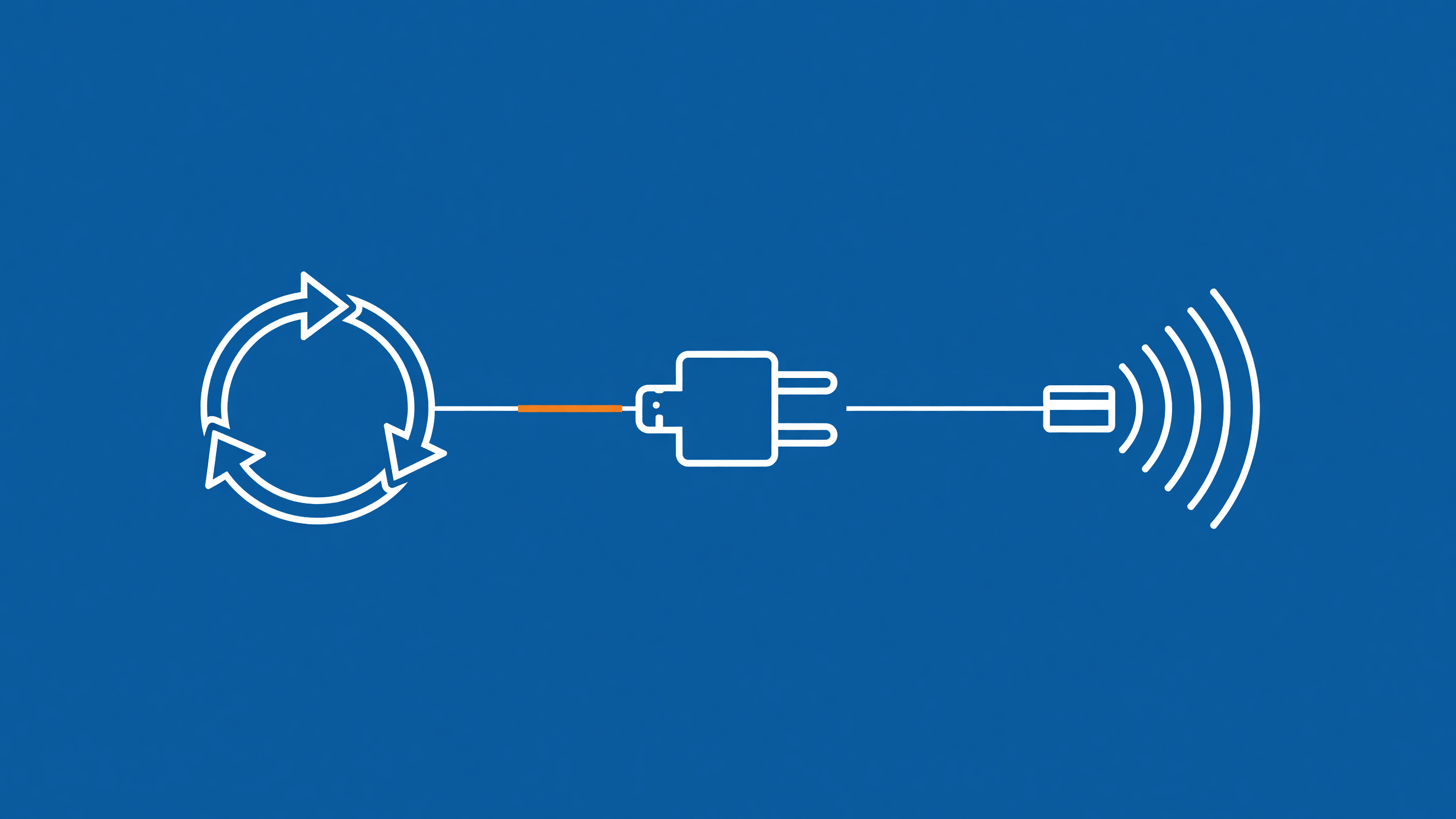
Flexibility, EV-readiness, and contactless look like three separate initiatives, but they share a requirement: a modern, configurable, well-integrated parking platform. Flexible arrangements need software you can adjust without a truck roll. EV-readiness needs infrastructure planning and clean integration with charging partners. Contactless needs current payment hardware. Operators who invest in that foundation can deliver all three; those running aging, rigid equipment will struggle with each one in isolation.
That’s the real message of the 2020 data: the facilities that adapted fastest this year weren’t the ones with the most technology — they were the ones whose systems were flexible enough to change.
For more on the contactless shift, see our look at the touchless pivot earlier this year.
Planning your 2021 priorities around flexibility, EV, and contactless? Talk to Parking BOXX about a platform built to adapt.