
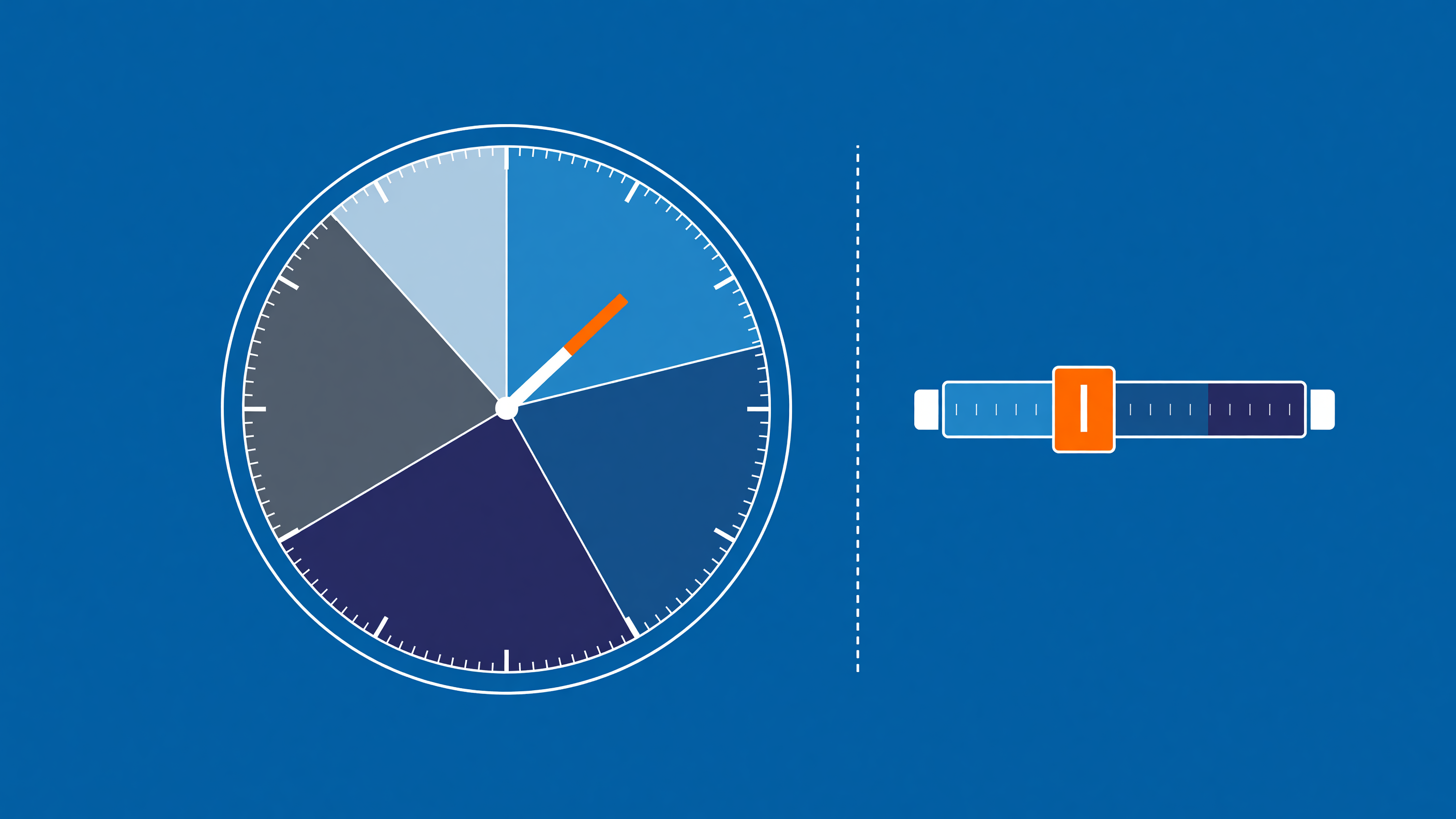
“Dynamic pricing” is having a moment in parking circles this year — talk of rates that adjust block-by-block and minute-by-minute based on demand. It makes for a great conference session. But for most commercial parking operators, it’s worth separating the headline from what’s practical, defensible, and actually controllable in your facility.
The headline vs. the reality
The fully automated, demand-sensing version of dynamic pricing mostly lives in on-street and municipal pilots, where a city adjusts meter rates by zone to manage curb demand. That’s a real thing in that context. But for a gated garage or lot serving commercial, university, hospital, or municipal customers, prices that move on their own create more problems than they solve: confused customers, disputed charges, and a sense that they can’t trust your rates.
What works for these operators isn’t automatic surge — it’s deliberate, scheduled pricing the operator sets.
The pricing levers you actually control
A capable management platform lets you shape demand with rates you configure intentionally:
- Time-of-day rates — higher during peak demand windows, lower in the off-hours, to spread load.
- Early-bird rates — a discount for arriving before a cutoff, to pull commuters into predictable patterns.
- Day-of-week schedules — different rates for weekdays, weekends, and known busy days.
- Event pricing — a specific rate for a stadium night or a campus event, set in advance.
Every one of these responds to demand — but on your schedule, configured deliberately, communicated clearly. That’s the version customers accept and your team can defend.
Why predictability is a feature
It’s tempting to think more dynamism always means more revenue. In practice, predictability is worth a lot: monthly parkers and regular commuters plan around known rates, procurement and institutional customers need stable pricing they can budget against, and clear rates mean fewer disputes at the exit. Surprise pricing erodes the trust that keeps your best customers coming back.
Set the rates with data
This is where your reporting comes in. Length-of-stay and occupancy patterns show you where a time-of-day or early-bird structure would actually shift behavior. (See turning transaction data into decisions.) Use the data to design the schedule, then set it deliberately.
The takeaway
Demand-based pricing, done right for a commercial operator, isn’t an algorithm quietly changing your rates. It’s you using time-of-day, early-bird, day-of-week, and event pricing — informed by your own data and communicated clearly — to shape demand while keeping the predictability your best customers rely on.
Want to put smart, scheduled pricing to work? Talk to Parking BOXX about configuring time-of-day, early-bird, and event rates in CloudEASE.