“Equity” and “accessibility” have become standing topics at parking and mobility conferences in 2023 — and not just as feel-good language. They reflect real obligations and real gaps in how parking serves the public. For operators, especially those serving universities, hospitals, transit, and municipalities, this is worth taking seriously and practically. Here’s what it actually means on the ground.
Payment equity: don’t lock anyone out
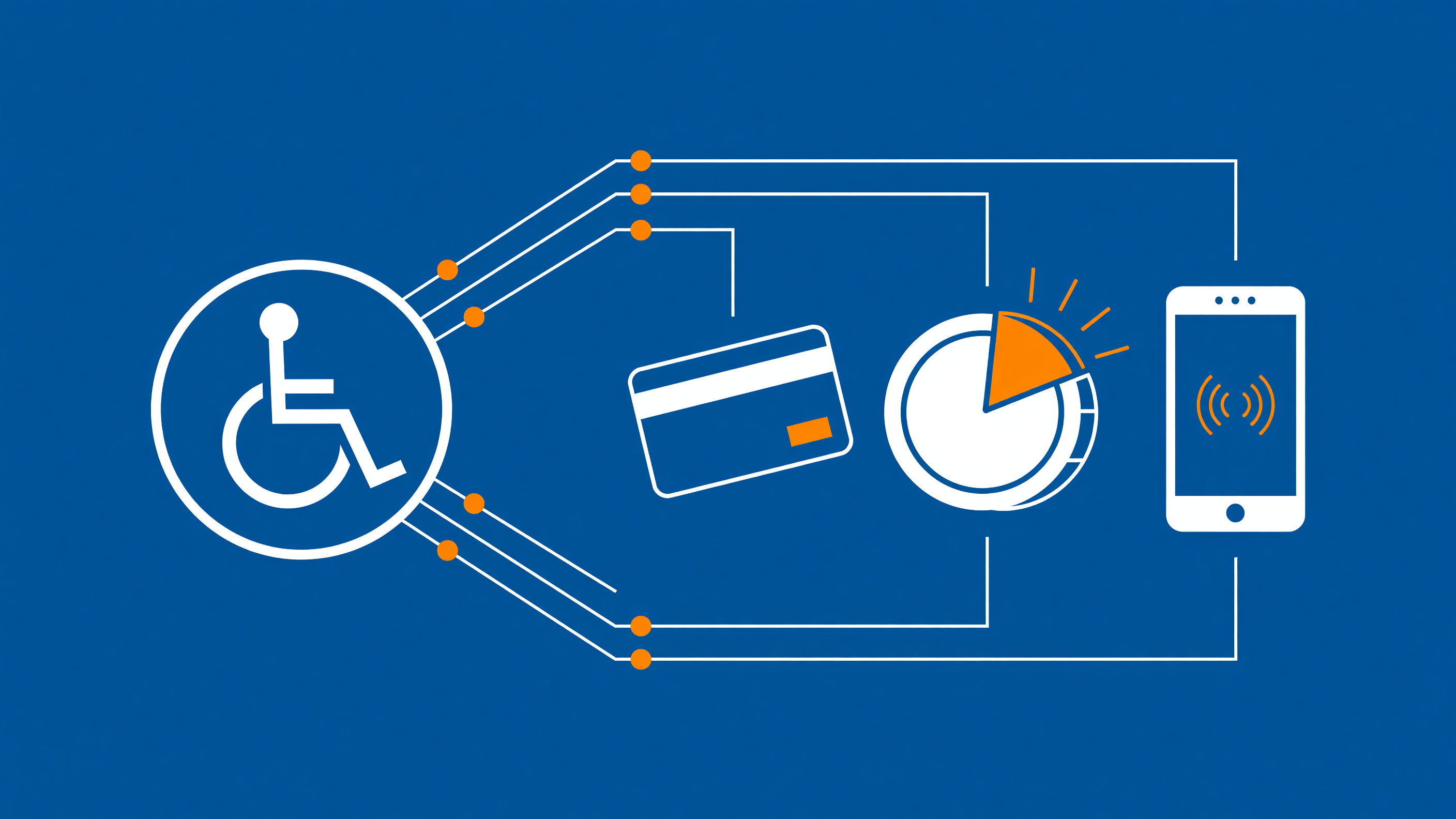
The rush to digital payment has a blind spot: not everyone has a smartphone, a credit card, or a bank account. A facility that only accepts app-based or card payment quietly excludes unbanked and underbanked drivers, older customers, and visitors without the right app.
Equitable payment means offering multiple ways to pay — card and contactless, yes, but also a path for cash where your customer base needs it. The goal isn’t to slow down modernization; it’s to make sure the modern options are additions, not the only door. (We explored the balance in cash automation and human touchpoints.)
Physical accessibility: more than the minimum
ADA-compliant accessible spaces are the legal floor, not the finish line. Practical accessibility also means:
- Accessible spaces that are actually usable — proper dimensions, van-accessible aisles, and located near accessible entrances, not in the far corner.
- Clear path of travel from the space to the elevator or exit.
- Payment stations reachable and operable from a wheelchair — screen height, reach, and clearance all matter.
(Our ADA parking compliance guide covers the requirements in detail.)
Interface accessibility: the screen counts too
This is the part operators most often miss. The interfaces customers interact with — pay station screens, the website, any app — need to work for people with vision, hearing, motor, and cognitive disabilities. That means adequate contrast, readable text, audio options, and controls that don’t require fine motor precision or a fast response. As accessibility standards for digital interfaces tighten, this is moving from good practice toward expectation, especially for public institutions.
Why it’s also good business
Equity and accessibility aren’t just compliance — they widen your customer base, reduce legal and reputational risk, and increasingly factor into procurement decisions at the public institutions that issue the biggest parking contracts. Designing for everyone is the rare initiative that’s right and commercially smart.
The takeaway
In 2023, treating equity and accessibility as core design goals — across payment, physical layout, and the interfaces people actually touch — is both an obligation and an advantage. Start by asking a simple question of every part of your operation: who does this quietly exclude, and how do we fix it?
Want your facility to work for everyone who uses it? Talk to Parking BOXX about accessible payment options and interfaces.