The labor market of 2023 has made one thing clear for parking operators: you can’t staff your way out of problems anymore. Finding, training, and keeping booth attendants is harder and more expensive than it used to be. The operators handling this well aren’t just cutting positions — they’re redesigning how the facility runs so that fewer people can cover more ground without the customer experience falling apart.
Automate the routine, escalate the exception
The core principle is simple: the vast majority of transactions don’t need a person, so design for the exceptions.
- Self-service for the routine. Pay-on-foot stations, in-lane payment, and credential- or plate-based entry handle the everyday transaction with no staff involved.
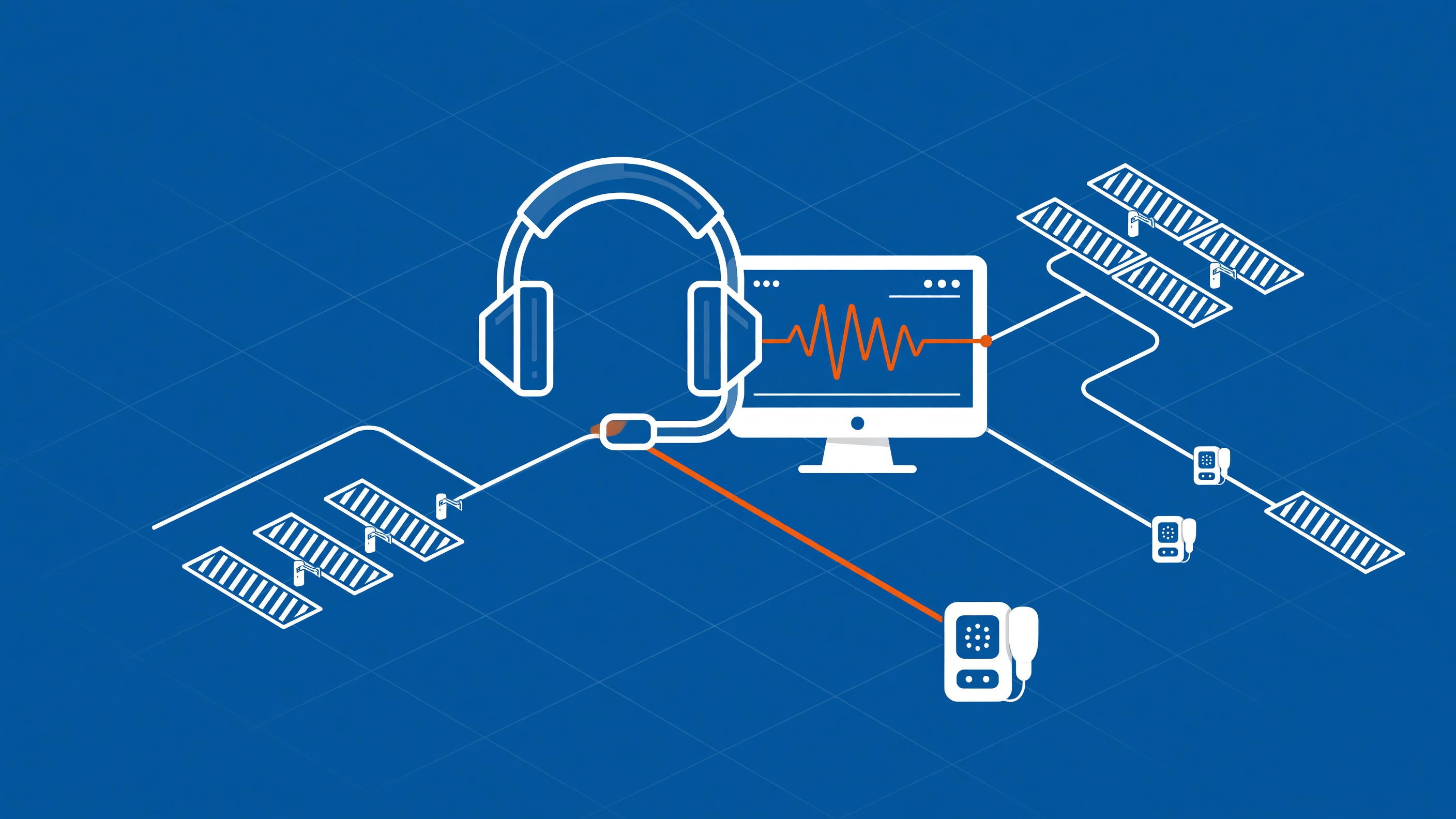
- Remote assistance for the exception. When something goes wrong — a lost ticket, a stuck gate, a confused first-time visitor — one staff member, working from a central location, can help drivers across multiple lanes and even multiple sites by intercom and camera. (The hardware side is in IP intercoms for parking facilities.)
One remote operator covering several lanes stretches a single person far further than one attendant per booth ever could — and keeps them out of a cramped booth in bad weather.
Make the exceptions rare
Remote support works best when there aren’t too many calls to handle. So reducing the rate of exceptions matters as much as handling them efficiently:
- Clear signage and simple payment screens cut confusion.
- Reliable equipment means fewer stuck gates and failed reads.
- Plate and mobile credentials for regulars mean fewer “my card isn’t working” calls.
Every exception you design out is one a remote operator doesn’t have to field.
Don’t mistake “less staff” for “no oversight”
Fewer people on-site raises the importance of two things:
- Monitoring. Cameras and system alerts let a small team see problems — a gate that’s been up too long, a lane that’s offline, an unusual pattern — without walking the deck.
- Revenue control. With fewer human checkpoints, your reporting and reconciliation become the control. Make sure every transaction and exception is captured cleanly. (See revenue control best practices.)
The takeaway
In 2023, running lean isn’t about doing less — it’s about designing the facility so routine transactions are fully self-service, exceptions are rare, and the ones that happen are handled remotely by a small team. Done right, you spend less on labor and deliver a more consistent experience than a thinly-staffed booth ever could.
Stretched thin on staffing? Talk to Parking BOXX about self-service and remote-assist setups that let a small team cover many lanes.