
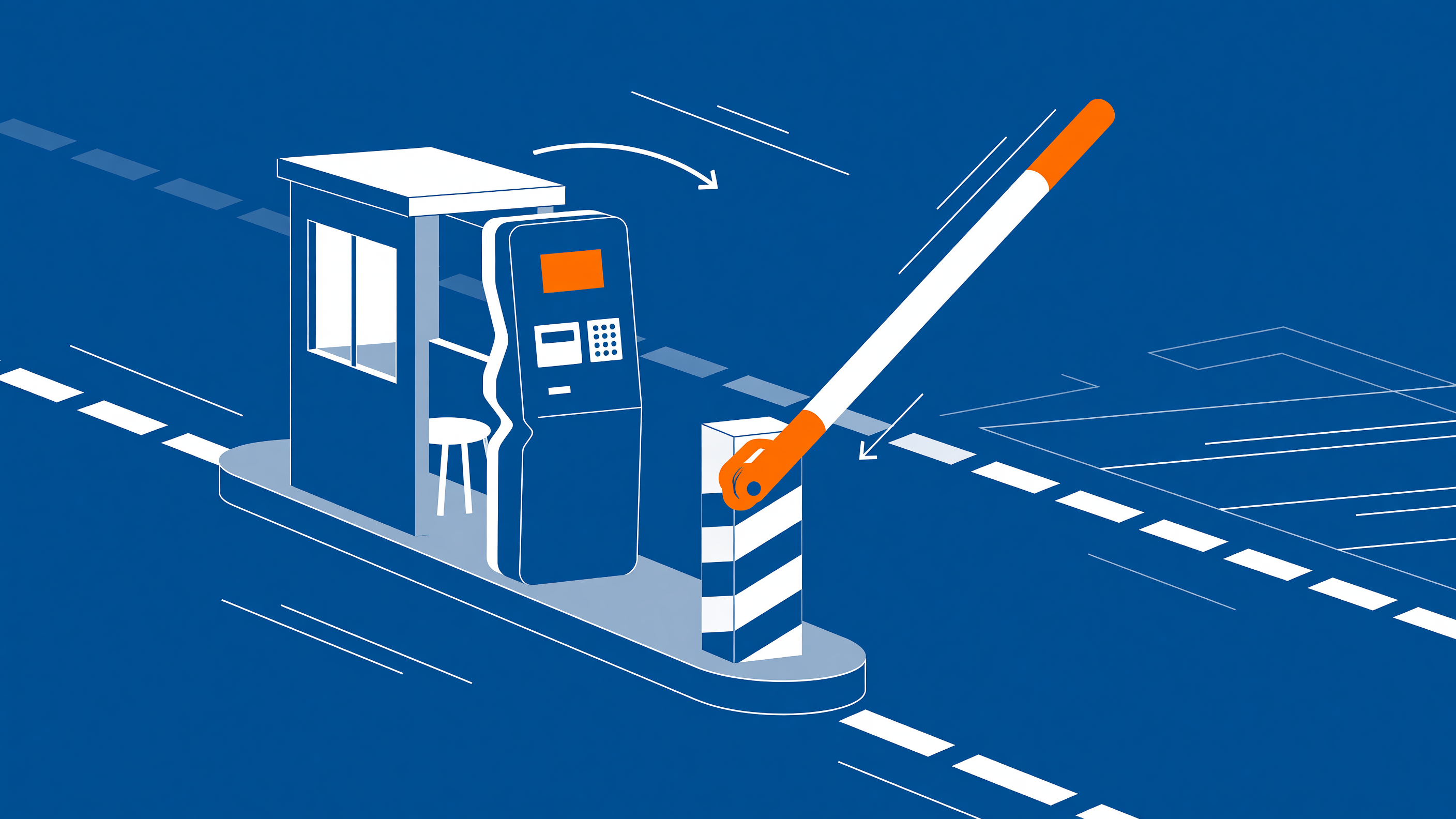
Of all the changes the pandemic forced on parking operations, the staffed cashier lane is under the most scrutiny. A cashier interacts with hundreds of drivers a day at close range — exactly the kind of contact operators are now trying to minimize. That’s pushing a lot of facilities to ask a question they’d been putting off: do we still need a cashier in every exit lane?
The honest answer for most operators is fewer, not none. Here’s how to think about the shift.
Cashiers aren’t going away
It’s tempting to declare the cashier obsolete, but that overstates it. Plenty of customers still prefer — or need — to pay a person: someone who lost a ticket, a visitor confused by the machine, an older driver who doesn’t use a phone for payment, a contested charge. A facility with zero human option creates its own set of problems: more intercom calls, more stuck vehicles, more frustration.
So the goal isn’t elimination. It’s rebalancing: move the routine transactions to automation, and keep a human available for the exceptions.
Where the routine transactions should go
The transactions that don’t need a person are the ones to shift first:
- Pay-on-foot stations. Customers pay at a station before returning to their vehicle, then exit through an unattended lane. No cashier contact, and the exit lane moves faster because payment already happened.
- In-lane automated payment. For lanes where pay-on-foot isn’t practical, an automated payment machine in the lane handles card and contactless transactions without staff.
- Account and plate-based exit. Monthly parkers and recognized vehicles can exit on their credential — no payment interaction at all.
Each of these removes routine cashier contact while leaving the lane fully functional.
Keep the human path — just consolidate it
Rather than a cashier in every lane, many operators are moving to one staffed or intercom-assisted lane that handles the exceptions, with the rest automated. A remote-assist setup — where one staff member can help drivers across multiple lanes by intercom and camera — stretches a single person much further while keeping them out of close contact. (Our piece on intercom systems in parking structures covers the hardware side.)
Don’t forget the revenue control
One caution: as you reduce cashiers, make sure your audit trail doesn’t weaken. A staffed lane is also a control point. When you automate, the reporting and reconciliation in your management software become the control — so confirm you’ve got clean records of every transaction and exception. Automation should tighten revenue control, not loosen it.
The takeaway
The pandemic accelerated a shift that made sense anyway: routine payments belong on automated stations and in-lane machines, while a consolidated human option handles the exceptions. You reduce contact and labor cost without stranding the customers who still need a person. Just keep the reporting tight as you go.
Rebalancing your exit lanes? Talk to Parking BOXX about pay-on-foot stations, in-lane automation, and remote-assist setups that keep one staffer covering many lanes.