The pitch is everywhere in 2024: rip out the gates, let cars flow freely through the lane, read every plate with AI, and bill drivers after they leave — parking like open-road tolling. It’s a compelling vision, and for a narrow set of operators it genuinely works. For most, though, the barrier still earns its keep. Here’s an honest accounting, from a manufacturer that builds gated systems and isn’t neutral — but will give you the real tradeoffs.
Where gateless can work
Free-flow makes sense in specific conditions:
- Very high throughput where even a fast gate cycle creates queues, and the operator can tolerate some revenue leakage in exchange for flow.
- Captive, identifiable populations — a corporate campus or a system where nearly every vehicle is known and billable to an account.
- Strong post-exit billing infrastructure — a reliable way to identify owners and actually collect, including handling disputes and non-payment.
Where those line up, gateless can deliver a great experience.
Where the barrier still wins
For most commercial, mixed-use, and public facilities, removing the gate trades away too much:
- No physical control. Without a barrier, nothing actually stops a non-paying or unauthorized vehicle. The gate is the one thing that guarantees compliance at the moment of entry or exit.
- Plate reads aren’t perfect, and gateless has no fallback. A missed read in a gated lane just routes the driver to a ticket or tap. In a free-flow lane, a missed read is simply lost revenue — the car is already gone.
- Post-exit billing leaks. Invoicing after the fact depends on identifying and reaching owners. Bad addresses, disputes, and uncollectable balances add up to real money — and real admin cost chasing it.
- Enforcement burden shifts to you. “Bill them later” quietly turns a parking operation into a collections operation.
The layered alternative
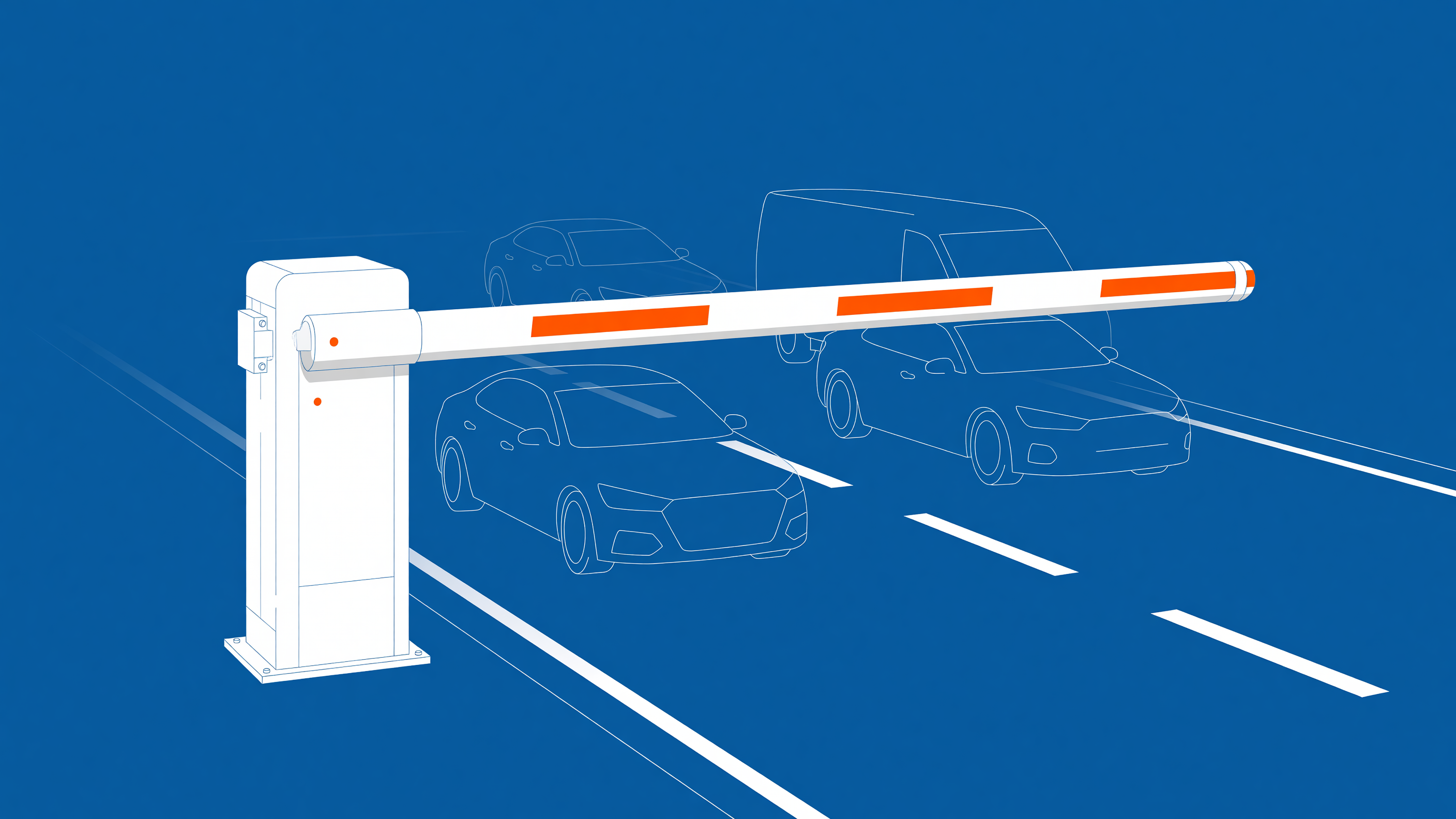
You don’t have to choose between “slow gate” and “no gate.” A modern barrier gate with AI-powered LPR delivers most of the free-flow experience without the revenue exposure:
- Recognized vehicles trigger an instant gate raise — the lane feels nearly free-flow for your regulars.
- Everyone else uses the same lane with a ticket, tap, or pay station.
- The barrier stays as the guarantee that no one exits without resolving payment.
This is the design most operators land on once the gateless honeymoon meets a quarter’s worth of uncollected post-exit invoices. (More in touchless parking after COVID and LPR for gated access.)
The takeaway
Gateless free-flow is a real option in 2024 — for high-throughput sites with captive, billable populations and serious collection infrastructure. For everyone else, the barrier isn’t legacy baggage; it’s the control point that protects your revenue. Get the free-flow feel through fast LPR on a gated lane, and keep the gate doing the one job nothing else does.
Weighing gateless against a modern gated lane? Talk to Parking BOXX about LPR-fast barrier gates that protect revenue while feeling nearly frictionless.