Five months into the pandemic, one trend has clearly stuck: customers want to handle parking before they arrive. Reserving and prepaying a space online means no payment interaction on-site, a guaranteed spot, and one less thing to touch. Operators like it too — it pulls revenue forward and smooths demand. Here’s what we’ve learned watching reservations and prepay scale this year.
Why it took off
Reserve-and-prepay solves several 2020 problems at once:
- No on-site payment contact — the transaction happened at home, on the customer’s own device.
- Demand certainty — the operator knows how many vehicles to expect, which helps with staffing and capacity.
- Revenue pulled forward — money is collected at booking, not at exit, which matters when cash flow is tight.
For event venues, airports, and destinations, it also became a marketing channel: a way to reach customers before they leave home.
How it fits a gated lot
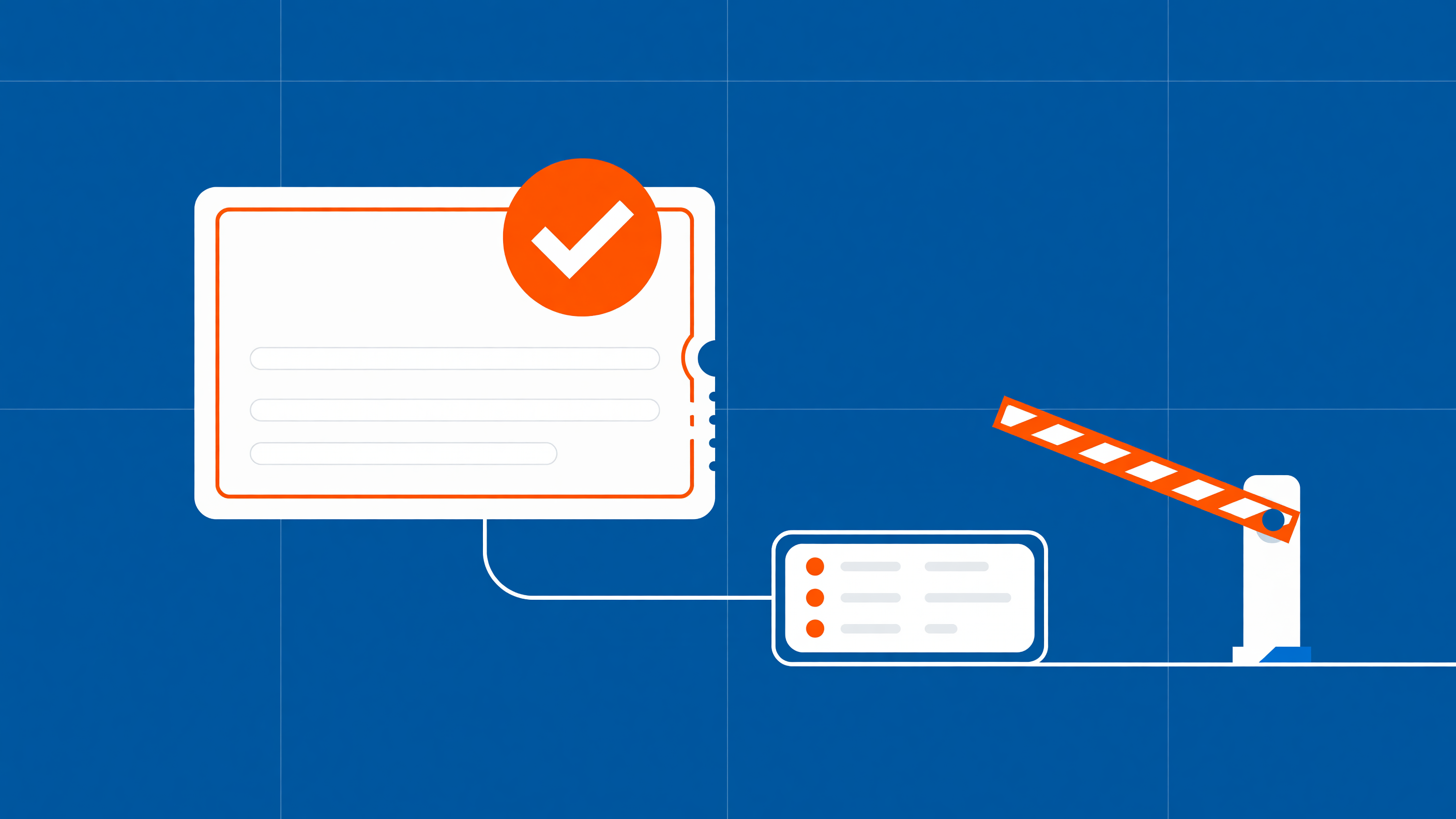
A common worry: does reservation/prepay mean going gateless? No. The reservation is just another credential the gate recognizes. The customer books online, and at the lane their plate (via LPR) or a barcode/QR code from their confirmation opens the gate. The barrier stays; the booking simply becomes the thing that lifts it. Drivers without a reservation use the normal lane — take a ticket or pay at the station. It’s the same layered approach, with one more way in.
What to watch
Reservations aren’t free of friction. A few things to get right:
- Overbooking and capacity. If you sell more reservations than spaces, you’ve created a worse experience than no reservation at all. Tie booking limits to real capacity.
- The “I booked but it won’t let me in” failure. Plate mismatches, expired confirmations, and wrong-lot bookings will happen. Make sure the fallback is graceful — a quick intercom resolution, not a stranded car and a line behind it.
- Refunds and changes. Prepaid means you’ll field cancellation and change requests. Decide the policy before you launch, not at the exit gate.
Don’t lose the walk-up
It’s easy to get excited about reservations and neglect the customer who just shows up. For most facilities, transient walk-up traffic is still a large share of revenue. Reservation/prepay should be an added channel, not a replacement — the lane needs to serve the booked customer and the spontaneous one equally well.
The takeaway
Reservations and prepay earned their place in 2020 and aren’t going back in the box. Treat them as another credential your gated lane accepts, size them to real capacity, build a graceful fallback for the inevitable mismatches, and keep the walk-up experience strong. Done that way, you reduce contact, smooth demand, and pull revenue forward — without giving up control of the lane.
For more on credential-based entry, see License Plate Recognition for Gated Access.
Adding online reservations or prepay to your facility? Talk to Parking BOXX about tying bookings to plate- and barcode-based entry in your existing lanes.