A year ago, “touchless” was the only word in parking. The pandemic pushed operators to remove every possible point of contact — and some went all the way, experimenting with fully gateless, free-flow lanes where cameras read plates and the barrier disappeared entirely. Now, a year in, a more nuanced picture has emerged. Some of those changes are permanent. Others quietly got rolled back. It’s worth understanding which, and why.
What stuck: touchless payment
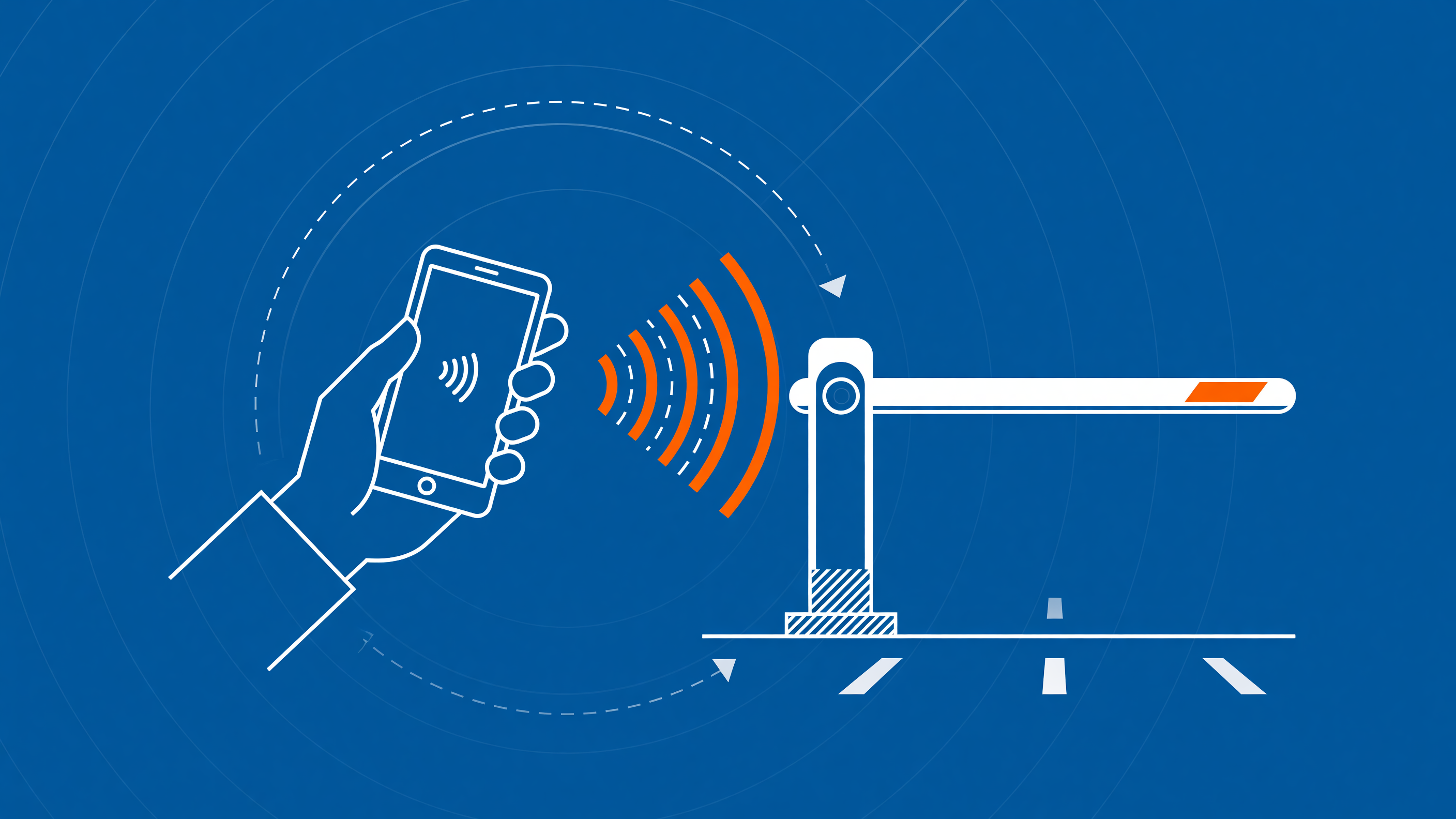
Contactless and mobile payment are here to stay, full stop. Customers expect to tap or pay by phone, and operators like the faster transactions and lower cash-handling cost. This is the part of “touchless” that delivered exactly what it promised and isn’t going anywhere.
What swung back: gateless free-flow
The more radical experiment — removing the barrier and billing vehicles after the fact based purely on plate reads — ran into real-world problems for many operators:
- Plates aren’t perfect. A missing front plate, mud, snow, a bike rack, a dealer tag, or an out-of-region format means a missed read. In a gateless lane, a missed read is lost revenue — the car simply drives out unbilled.
- Billing-after-the-fact is leaky. Invoicing a vehicle post-exit only works if you can reliably identify and reach the owner. Disputes, bad addresses, and uncollectable balances add up.
- No physical control. Without a gate, nothing actually stops an unauthorized or non-paying vehicle. For a commercial operator, that’s the whole ballgame.
The result: many operators who went gateless in 2020 brought the barrier back in 2021 — but kept the touchless payment and LPR they’d added. They landed on a layered model instead of an all-or-nothing one.
The layered middle ground
The approach that’s proving durable keeps the gate and makes it fast:
- LPR opens the gate instantly for recognized vehicles — monthly parkers, employees, fleet.
- Everyone else uses the same lane with a touchless payment path.
- The barrier stays as the control point, so revenue is protected and unauthorized vehicles can’t simply roll through.
This delivers the experience of frictionless parking for your known customers without the revenue exposure of going gateless. (We covered the mechanics in LPR for Gated Access.)
The lesson
The pandemic was a giant, fast experiment, and one of its clearest results is this: touchless payment is a permanent win, but removing the gate trades away too much control for most commercial operators. The pendulum swung hard toward gateless in 2020 and settled, in 2021, on a layered system that keeps the barrier and adds speed on top. That’s not a step backward — it’s the version that actually holds up in daily operation.
For the broader set of 2020 changes, see the touchless pivot.
Want touchless speed without giving up gate control? Talk to Parking BOXX about layered LPR and contactless payment in your existing lanes.