$1B+ REVENUE FOR OPERATORS
 Parking Made Easy®
1 800 518 1230
Request a Quote
Parking Made Easy®
Installing a barrier gate in Baltimore means working with City of Baltimore (Department of Housing and Community Development for permits, Department of Planning for site plan review), under the Maryland State Fire Prevention Code: fire-access rules, permits, electrical and accessibility requirements all apply*. Parking BOXX is a North American manufacturer of barrier gate systems for parking lots and garages in Baltimore and the Baltimore Metro area, and this page covers what to plan for before you build. * Not legal advice for your situation.
What typically applies to a parking gate project in Baltimore, Maryland, with the source for each item.
Maryland applies one State Fire Prevention Code statewide, and that regulation incorporates the NFPA 1 Fire Code, 2024 edition, with state amendments. It is the baseline fire rule for a Baltimore gate project. NFPA 1 lets the fire official require an access box or similar device where security restricts fire department entry, including gated properties, so a barrier gate normally needs an approved way for fire crews to open or bypass it. Confirm the device type with the fire marshal before ordering hardware.
Source: COMAR 29.06.01.08, NFPA 1 Fire Code (Cornell Legal Information Institute)
Baltimore's Department of Housing and Community Development issues building, electrical, mechanical and plumbing permits and inspects the work. The city building code incorporates the Maryland Building Performance Standards, which are built on the 2021 International Building Code with state modifications. Applications go through the department's online permit system or its One Stop Shop counter. A gate that needs a new power feed will generally involve an electrical permit, and the scope of the work decides whether a building permit is also required.
The Building, Fire, and Related Codes of Baltimore City, as published in the city's online code, adopt the National Electrical Code, 2020 edition. Vehicular gate operators and barrier (arm) operators are covered by UL 325, which requires at least two independent means of entrapment protection on most operator types. UL 325 sorts operators into usage classes, and garages open to the general public fall in Class II. ASTM F2200 covers how the gate itself is built.
Source: Baltimore City Code, Building Codes, Section 3-101; DASMA TDS 353
Maryland enforces its own Maryland Accessibility Code, which incorporates the 2010 ADA Standards for Accessible Design and adds state-specific requirements. The Building Codes Administration in the Division of Labor and Industry administers it, and local governments cannot adopt weaker rules. For a parking facility, that means accessible stalls, routes and any pay station or intercom used on foot are checked against the operable-parts and accessible-route provisions, not only the gate hardware.
Source: Maryland Department of Labor, Maryland Accessibility Code
Under Article 32 of the city code, site plan review is required before construction, alteration or addition of an off-street parking facility with five or more spaces. The city's applicability list for site plan review also names parking lots or structures with five or more spaces. Review is interagency and run through the Department of Planning. Adding access equipment to an existing lot is a different question from changing its layout, so ask the planning staff how your scope is classified.
Maryland requires notice to Miss Utility through 811 at least two full business days before digging, which covers cutting loops or setting a gate foundation. Marks are generally valid for twelve business days. Baltimore's building code protects foundations and piers against frost by extending them 30 inches below grade, using an approved alternative method, or bearing on solid rock. Gate and equipment pedestals are normally detailed to that frost depth.
Source: Maryland Office of People's Counsel, Miss Utility; Baltimore City Building Code Section 1809
* Not legal advice for your situation. Requirements change and vary by site and project. Confirm current rules with City of Baltimore (Department of Housing and Community Development for permits, Department of Planning for site plan review), under the Maryland State Fire Prevention Code before you design or build. This page is a planning guide, not legal or engineering advice.
Federal engineering weather data for Baltimore-Washington International list a 99.6 percent winter design low of 14 F, a 0.4 percent summer design high of 93 F, and a 50-year frost depth of 29 inches. The station averages 61 freeze-thaw cycles a year, which is hard on loose pedestals and conduit joints. The 50-year design wind gust is 90 mph and the 100-year rain rate is 3.3 inches an hour. Near the Inner Harbor and Fells Point, tidal flooding is a separate concern; one analysis projects more than 225 tidal floods a year by mid-century, so low-mounted equipment there should be elevated or sealed.
Baltimore's mid-Atlantic climate brings heavy snowfall and freezing rain each winter, requiring gate arms with integrated heaters and corrosion-resistant coatings to withstand road salt exposure.
Baltimore's gated parking demand comes from dense downtown office garages, hospital and university medical campuses, and event lots serving stadiums and the Inner Harbor. Rowhouse neighborhoods rely on small surface lots and alley-fed parking behind commercial corridors. Port and industrial areas around Locust Point and Canton need gates that handle truck traffic and weather. Public garages and surface lots managed for visitors, commuters and residents usually pair entry and exit barriers with pay stations and plate recognition.
The Johns Hopkins medical campus and the growing biotech corridor along the east Baltimore waterfront represent a concentration of institutional employers with complex parking credentialing needs for staff, researchers, and patients.
Gate projects in Baltimore range from Inner Harbor, Fells Point, Harbor East, Mount Vernon and Hampden Business District to the lots and garages around Baltimore/Washington International Thurgood Marshall Airport, M&T Bank Stadium, Oriole Park at Camden Yards.
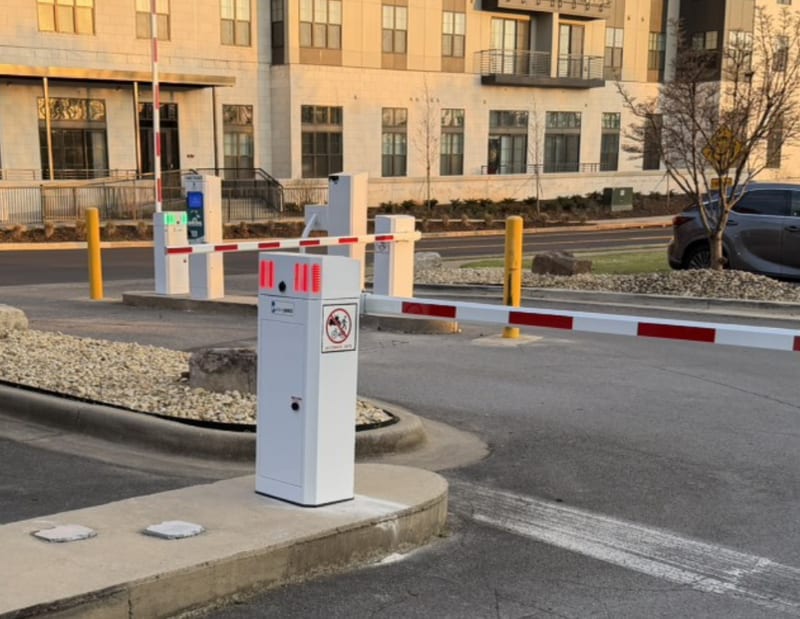
Parking BOXX has 2 installed sites in the Baltimore market. These photos show real Parking BOXX barrier gate systems installed and operating in Baltimore, Maryland.
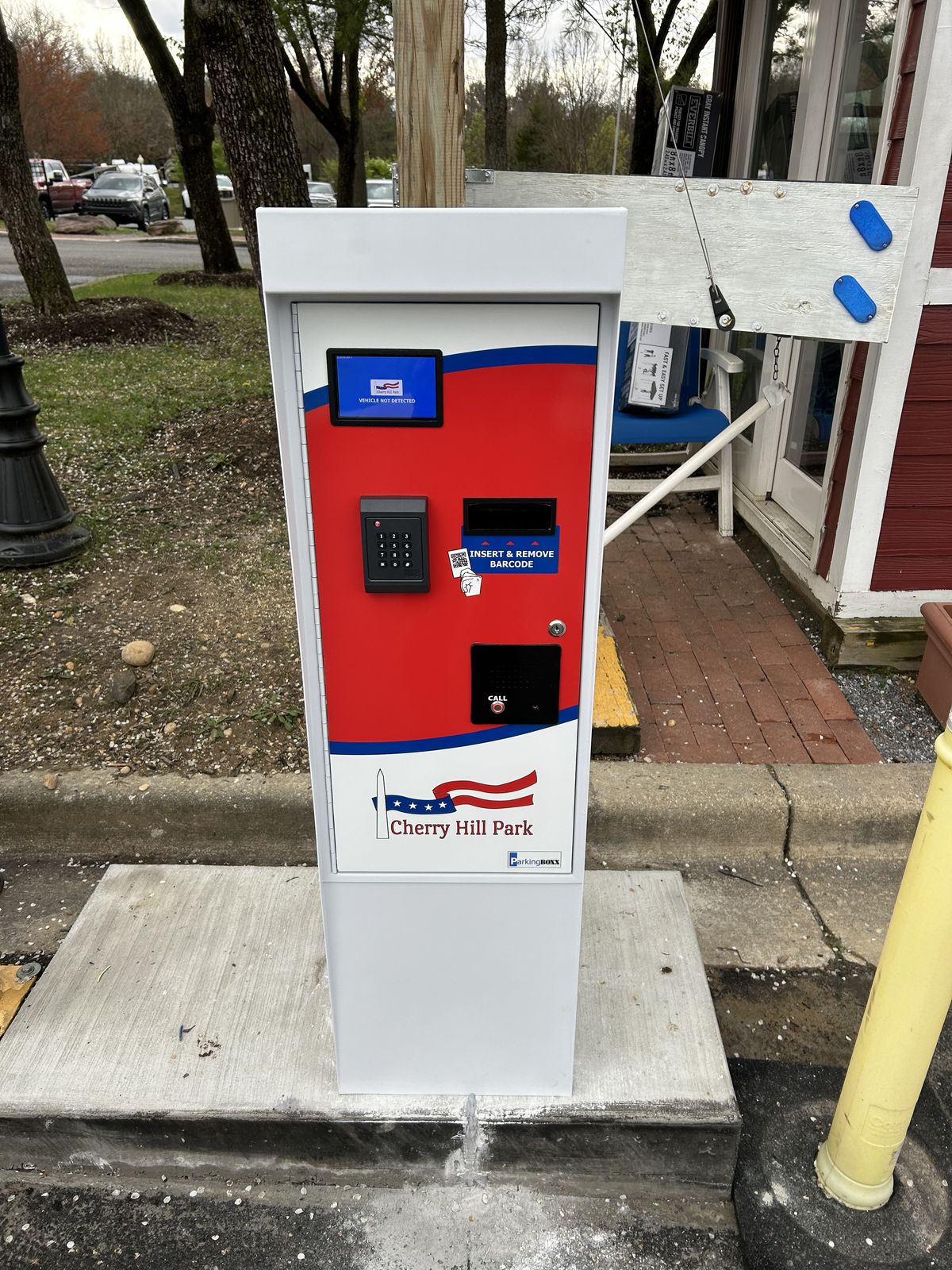
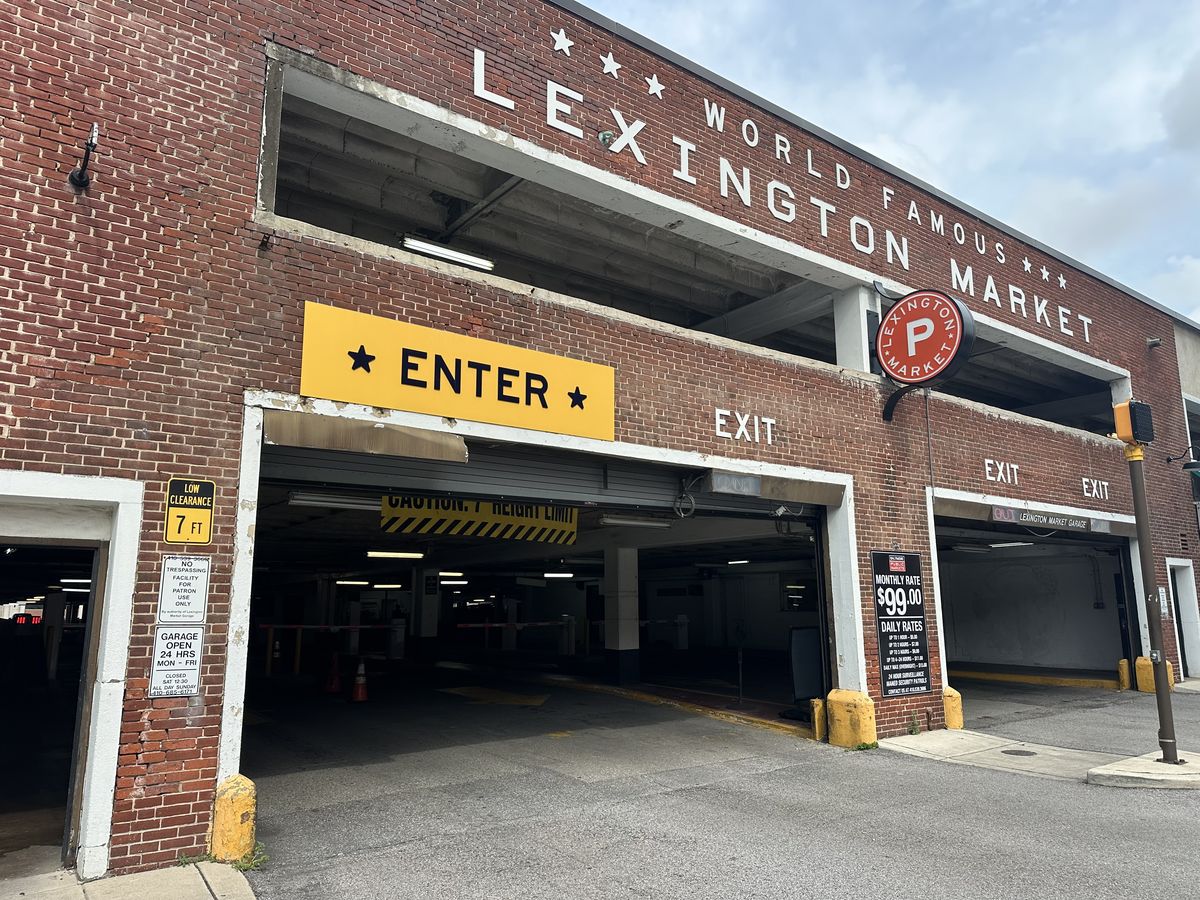
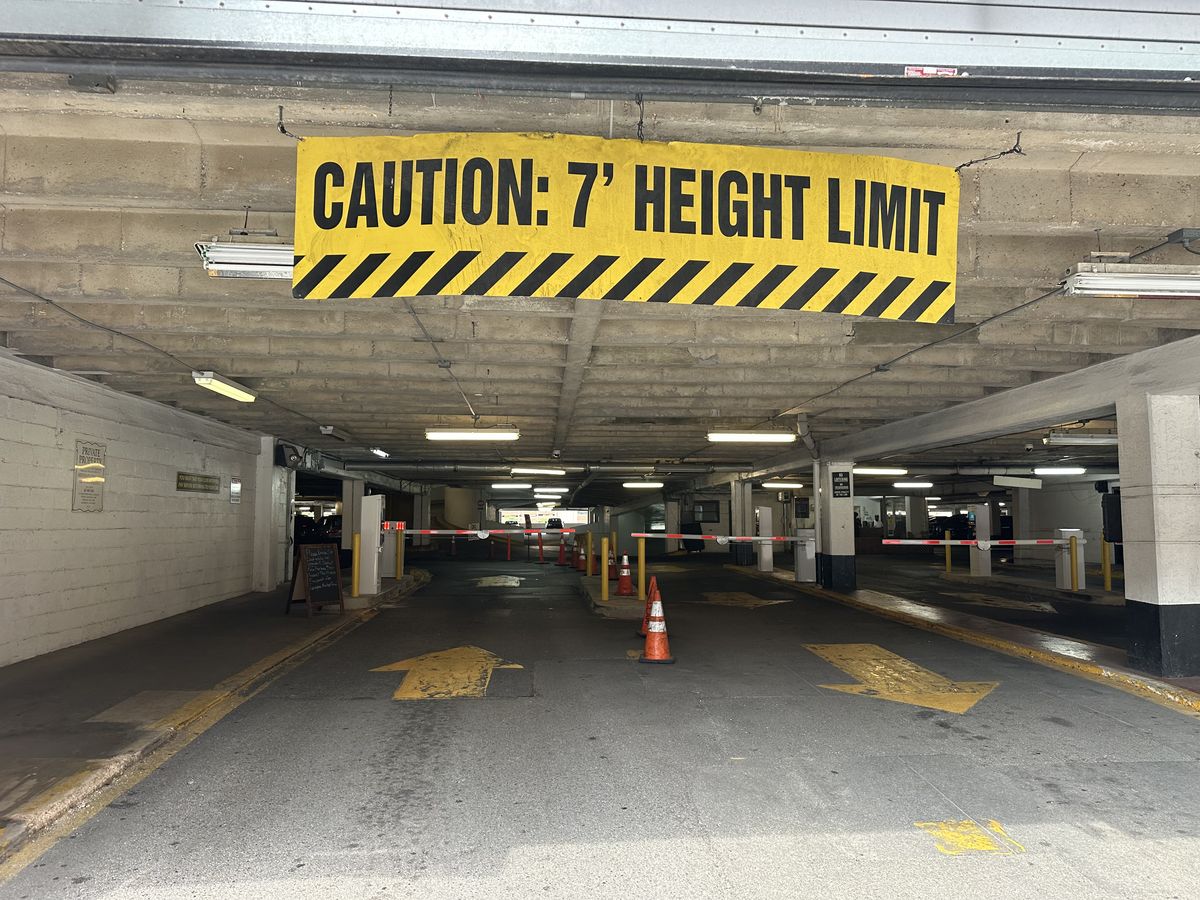
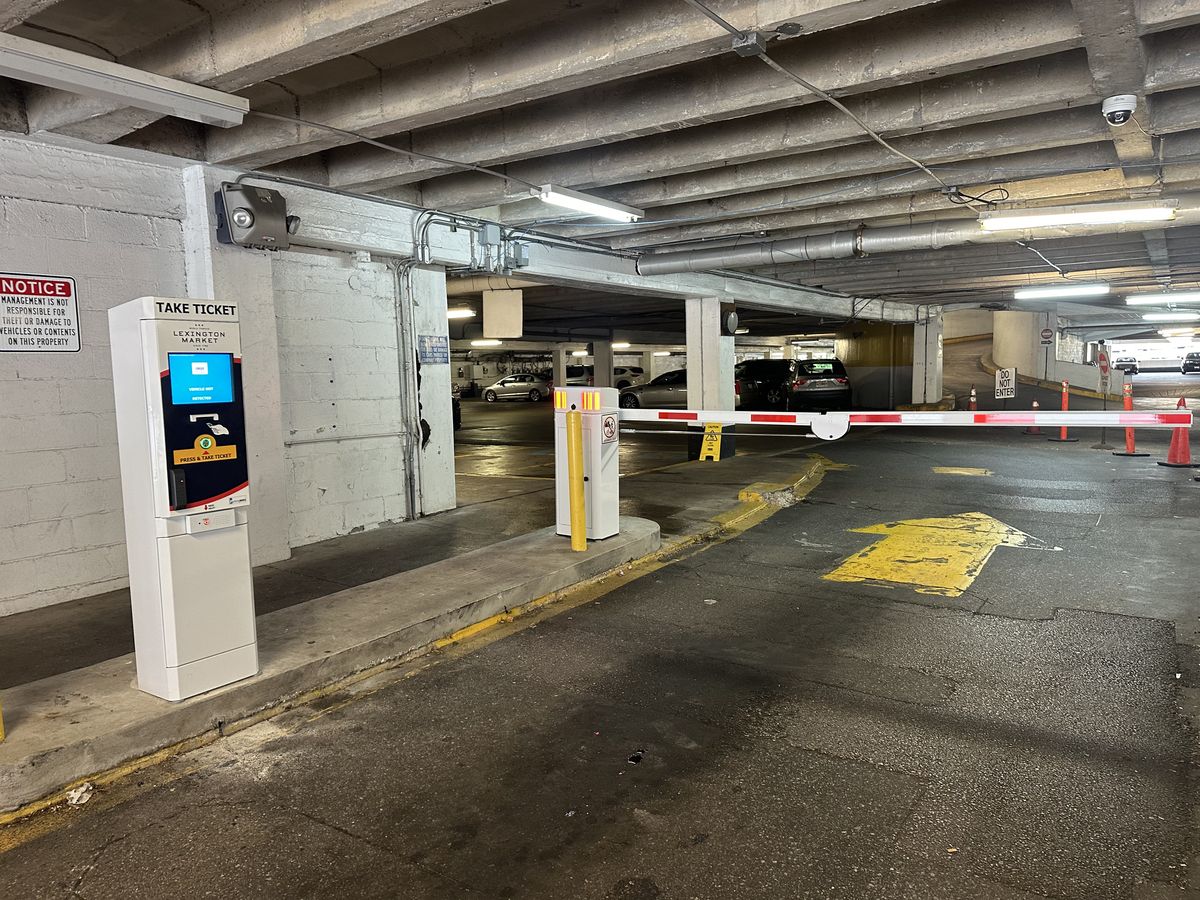
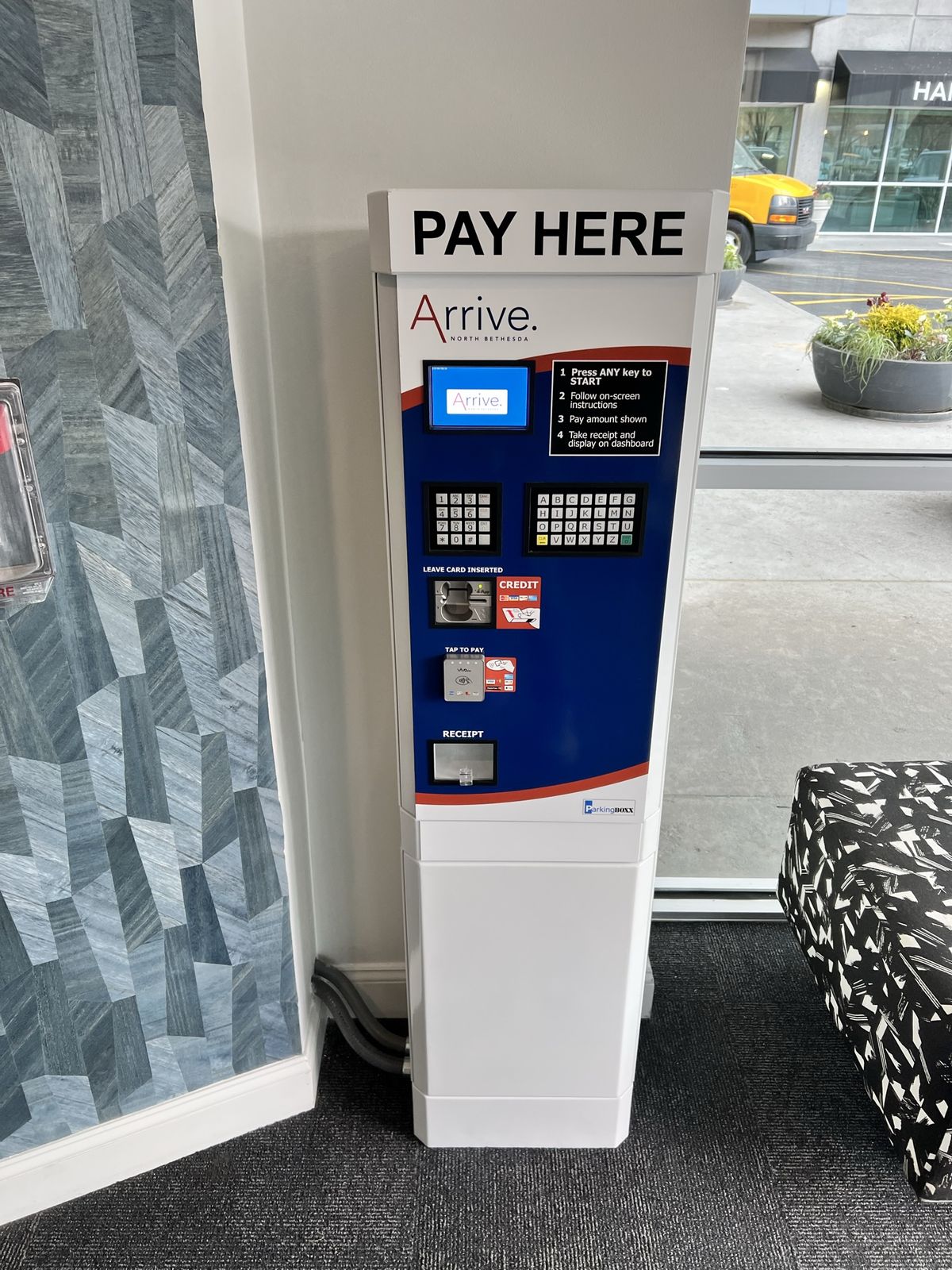
The same manufacturer-built gate is installed in every city. Full specifications are on the barrier gates product page.
Typical budgets: a single gate unit runs $2,000 to $6,000, a complete gated entry and exit system starts around $15,000, and full systems with pay stations and LPR run $40,000 to $150,000+. Request an exact quote for your Baltimore site.
Usually yes for at least part of the work. The Department of Housing and Community Development issues the building and electrical permits, and a gate with a new power feed generally triggers an electrical permit. If the project also changes a parking facility of five or more spaces, Article 32 can require site plan review through the Department of Planning. Requirements vary by project; confirm with the authority having jurisdiction before ordering equipment.
Maryland's State Fire Prevention Code incorporates NFPA 1, which lets the fire official require an access box or similar means of entry where a gate restricts access. In practice that means a way for fire crews to open or bypass the gate without damaging it, such as a keyed switch or box. The fire marshal approves the specific device, so raise it during design, not after installation.
Baltimore's building code protects foundations and piers against frost by extending them 30 inches below grade, designing to an approved alternative, or bearing on solid rock. Equipment pedestals are normally detailed to match. Before any excavation for loops or footings, Maryland law calls for a Miss Utility ticket through 811 at least two full business days ahead. Your engineer and the permit reviewer set the final detail.
Maryland's Accessibility Code incorporates the 2010 ADA Standards and adds state requirements, and local governments cannot weaken them. Accessible stalls and routes in the facility are checked, and equipment people use on foot, such as a pay station or intercom, is reviewed for operable parts and reach. Gate hardware itself is handled mainly by fire and safety rules. Confirm project specifics with the building official.
Institutions like Johns Hopkins and the University of Maryland Medical Center rely on proximity card or mobile credential systems already issued to thousands of employees. Parking BOXX access control readers support standard Wiegand, HID, and MIFARE card formats, allowing seamless integration without issuing separate parking credentials. CloudEASE manages permit tiers, time-of-day restrictions, and audit logs centrally across every gate on campus.
* Not legal advice for your situation. Code and permit answers are general; confirm requirements for your site with City of Baltimore (Department of Housing and Community Development for permits, Department of Planning for site plan review), under the Maryland State Fire Prevention Code.