$1B+ REVENUE FOR OPERATORS
 Parking Made Easy®
1 800 518 1230
Request a Quote
Parking Made Easy®
Installing a barrier gate in New York means working with City of New York (Department of Buildings, FDNY, Department of City Planning, Department of Consumer and Worker Protection): fire-access rules, permits, electrical and accessibility requirements all apply*. Parking BOXX is a North American manufacturer of barrier gate systems for parking lots and garages in New York and the New York Metro area, and this page covers what to plan for before you build. * Not legal advice for your situation.
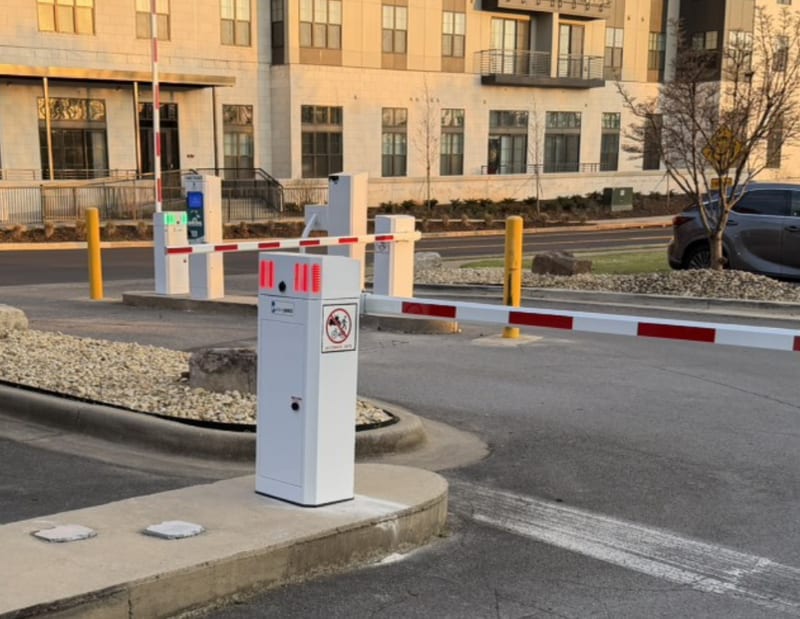
What typically applies to a parking gate project in New York, New York, with the source for each item.
New York City writes its own rule for gates that cross a fire apparatus access road, separate from the state code. Under FC 503.2.8, a gate may not reduce the approved road width and must be a swinging or sliding type. Manually operated gates must work for one person and use approved locking devices, and a padlock and chain must be cuttable with standard bolt cutters. Automatic gates must be designed and installed to ASTM F2200 and UL 325, with an approved means of manual operation for firefighters. The commissioner may also require locked gates where fire-apparatus use of a road is restricted.
Operator power, loop detectors and control wiring are electrical work, and in New York City that work is permitted through the Department of Buildings. Only a licensed Master Electrician or Special Electrician can apply, and they must first register for the Department's online permit processing system. The licensee's license and insurance have to be active when the application is filed. Electrical permits have a limited term, and the permit must be in effect at all times while the equipment is at the work site. Permits also have to be posted where the public can see them.
Source: NYC Department of Buildings, Electrical Systems Work and Site Requirements
The Zoning Resolution controls entry layout at many parking facilities. Where self-parking facilities and public parking lots make entering vehicles stop at a mechanically operated barrier, ZR 13-24 places that barrier at least 20 feet beyond the street line. For attended facilities with more than 25 spaces, entrance reservoir space is required at a share of total spaces that varies by lot size and is capped at 50 spaces. Each reservoir space must be at least 18 feet long and 8 feet 6 inches wide. Special zoning districts can carry their own versions of these rules.
Source: NYC Zoning Resolution, Section 13-24 (Reservoir Spaces)
Running a garage or lot for a fee is a licensing matter that is separate from installing the gates. The Department of Consumer and Worker Protection requires a Garage and/or Parking Lot license for a business that accommodates, stores or keeps five or more vehicles for a fee. Lots run in connection with a business and used only by its customers or employees are exempt, as are lots a multiple-dwelling owner or lessee operates for residents only. Applicants planning for 51 or more automobiles must also submit proof of bicycle parking.
Trenching for conduit and setting footings are excavation work, and loop installation usually involves cutting into pavement as well. An excavator contacts New York 811 at least two working days, and no more than ten days, before starting, with weekends and legal holidays excluded. The dig area is outlined in white paint, and utilities then have two working days to mark their lines. Once marked, work has to respect the tolerance zone, which is half the facility's diameter plus two feet on either side of its centerline.
Source: New York 811, Excavators
Where the 2010 ADA Standards call for an element to be accessible, its operable parts must sit within the reach ranges in section 308. Section 309.4 says they must work with one hand, without tight grasping, pinching or twisting of the wrist, and take no more than 5 pounds of force. Hardware on doors and gates in the accessible route, including locks and latches, must be between 34 and 48 inches above the floor or ground under section 404.2.7. A pay station or card reader placed in an accessible position at the lane has to be checked against those same limits.
Source: U.S. Department of Justice, 2010 ADA Standards for Accessible Design
* Not legal advice for your situation. Requirements change and vary by site and project. Confirm current rules with City of New York (Department of Buildings, FDNY, Department of City Planning, Department of Consumer and Worker Protection) before you design or build. This page is a planning guide, not legal or engineering advice.
Central Park's 1991-2020 normals show about 30 inches of snow a year, far less than upstate, yet the freeze-thaw cycle still reaches the hardware: the daily low is at or below 32°F on roughly 67 days a year and at or below 10°F on about 3 days. Heat is the opposite load, with about 17 days at or above 90°F. Equipment cabinets, loop sealant and arm lighting therefore see wide temperature swings, and enclosures in sun-baked garage entries need ventilation as much as cold-weather heating. The annual average low is near 49°F and the average high near 63°F.
New York winters bring heavy snow and freeze-thaw cycles that stress gate motors and corrode barrier arm hardware, making weatherproof enclosures and heated cabinets essential for outdoor pay stations.
In New York City, entry control tends to cluster in a few settings: below-grade and multi-level garages under office towers and apartment buildings, surface lots in the outer boroughs, hospital and university campuses, hotels, and facilities near JFK and LaGuardia airports. Many entrances open straight onto sidewalks and narrow streets, so equipment has to fit tight curbside footprints while keeping pedestrian routes clear. Resident-only garages for co-ops and condominiums sit alongside transient public garages with very different access needs.
New York's dense mix of private garages, hospital campuses, and convention center surface lots creates constant demand for multi-entry barrier gate systems and real-time occupancy management via CloudEASE.
Gate projects in New York range from Midtown Manhattan, Financial District, Hudson Yards, Long Island City and Downtown Brooklyn to the lots and garages around Madison Square Garden, Jacob K. Javits Convention Center, JFK International Airport.
Parking BOXX has 2 installed sites in the New York market. These photos show real Parking BOXX barrier gate systems installed and operating in New York, New York.
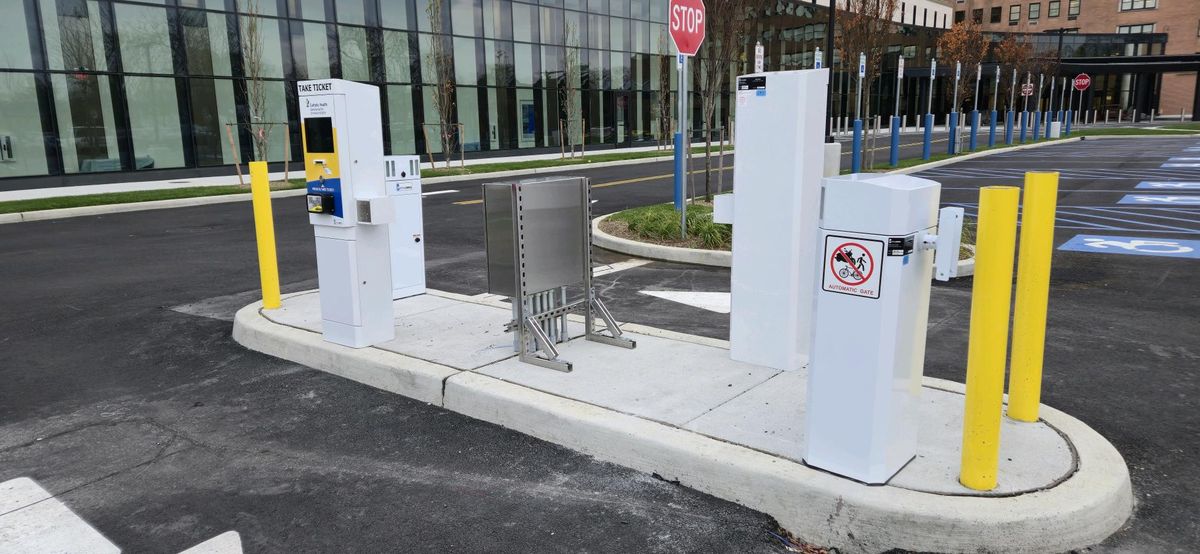
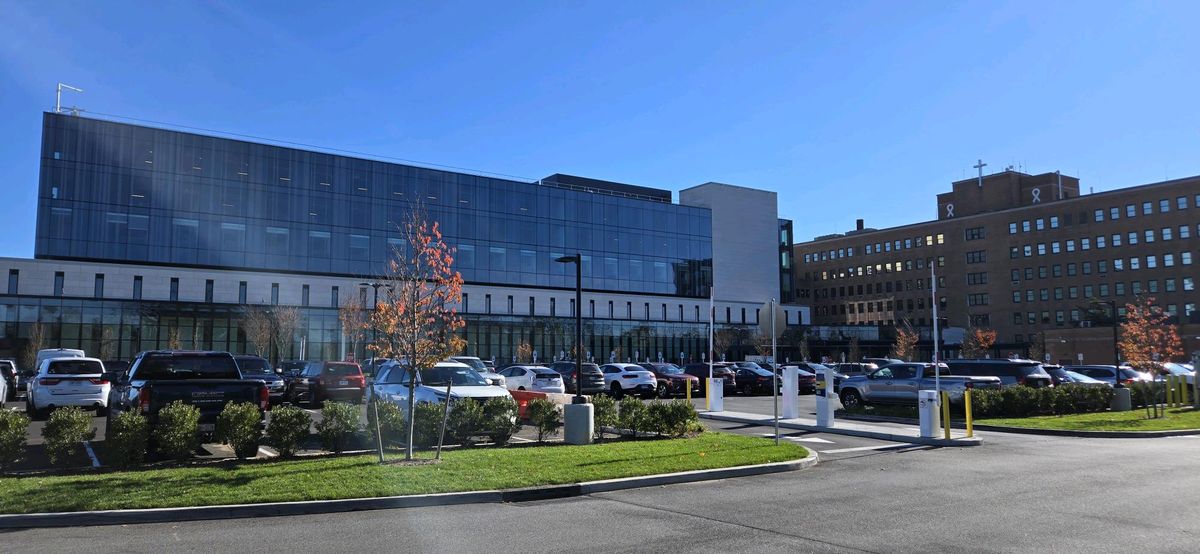
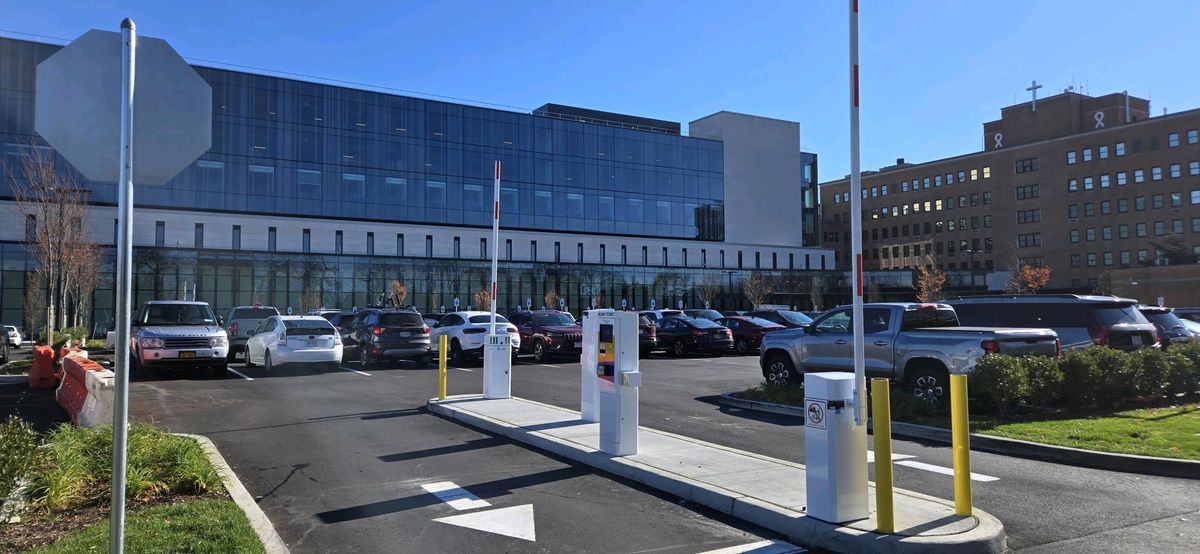
The same manufacturer-built gate is installed in every city. Full specifications are on the barrier gates product page.
Typical budgets: a single gate unit runs $2,000 to $6,000, a complete gated entry and exit system starts around $15,000, and full systems with pay stations and LPR run $40,000 to $150,000+. Request an exact quote for your New York site.
Requirements vary by project; confirm with the authority having jurisdiction. The electrical portion is clear: wiring for an operator, loops or controls is filed by a licensed Master or Special Electrician through the Department of Buildings' online electrical permit system. Whether the gate itself or its foundation also calls for a DOB work permit depends on its design and location, so have a registered design professional or an expediter check before equipment is ordered or ground is opened.
Where Zoning Resolution 13-24 applies to a self-parking facility or public parking lot, a mechanically operated barrier that entering vehicles must stop at has to be at least 20 feet beyond the street line. Attended facilities with more than 25 spaces also need entrance reservoir space, each space at least 18 feet by 8 feet 6 inches. Special districts can differ, so confirm the zoning for the specific lot with the Department of City Planning or a zoning professional.
On a fire apparatus access road, yes. FC 503.2.8 requires automatic gates to follow ASTM F2200 and UL 325 and to have an approved means of manual operation for firefighters. Gates cannot narrow the approved road width, and padlocks or chains on manual gates must be cuttable with standard bolt cutters. Whether a particular driveway counts as an access road is decided by the Fire Department, so raise it during design, not after installation.
Often, yes. The Department of Consumer and Worker Protection requires a Garage and/or Parking Lot license for businesses that accommodate, store or keep five or more vehicles for a fee. Lots operated in connection with a business and used only by its customers or employees are exempt, as are resident-only lots run by a multiple-dwelling owner or lessee. Requirements vary by project; confirm with the authority having jurisdiction whether your lot is covered.
New York's freeze-thaw cycles and road salt accelerate corrosion on standard parking hardware. Parking BOXX barrier gates are built with powder-coated steel and sealed electronics rated for sub-zero temperatures. CloudEASE cloud management software lets operators in Manhattan monitor all lanes remotely without sending staff on-site during snowstorms.
* Not legal advice for your situation. Code and permit answers are general; confirm requirements for your site with City of New York (Department of Buildings, FDNY, Department of City Planning, Department of Consumer and Worker Protection).