

Parking Dynamic Pricing
Flat parking rates leave money on the table during peak hours and leave lots half-empty during slow periods. Parking dynamic pricing solves both problems at once — peak-hour rates are higher, off-peak rates are lower, and every transition happens automatically. The result is higher revenue per space and better utilization across the full operating day.
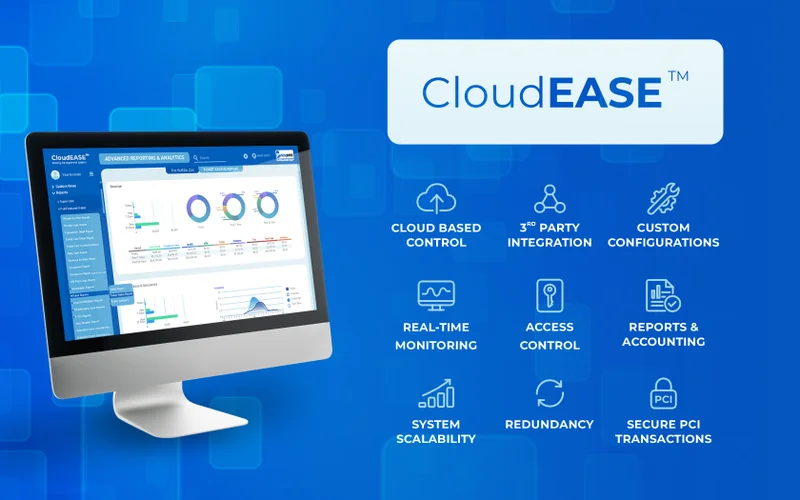
CloudEASE by Parking BOXX includes fully configurable dynamic pricing built into every installation. Time-based schedules and event overrides are set once in the dashboard and applied automatically across all lanes — no manual rate changes required. Parking Made Easy®.
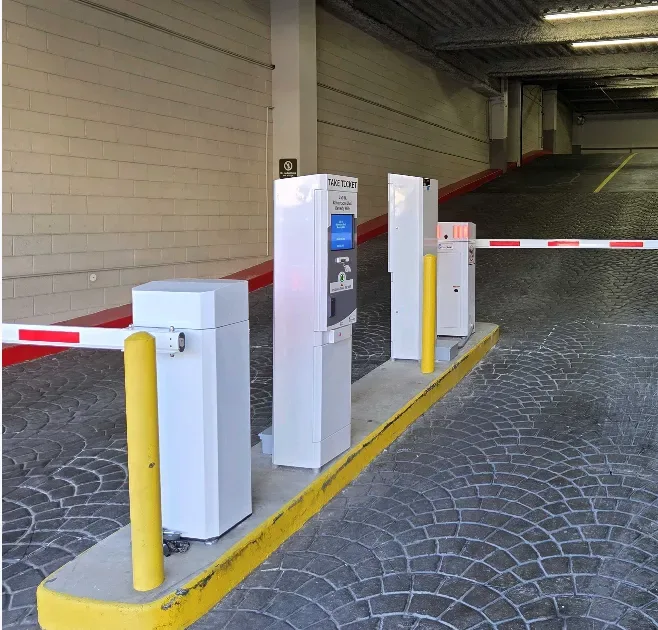
What Is Parking Dynamic Pricing?
Parking dynamic pricing is a rate management strategy where fees adjust automatically based on time of day, day of the week, or a scheduled event. Instead of a single flat rate, a dynamically priced parking facility might charge $3/hr during quiet morning hours, $8/hr during a downtown lunch peak, and $15 for an event-day flat rate.
The concept is the same one airlines, hotels, and rideshare platforms use to match supply with demand. Parking spaces are a fixed supply. Dynamic pricing is the mechanism that makes that fixed supply generate its maximum possible return while steering demand toward available capacity.
Unlike yield management systems that require a revenue analyst to make manual adjustments, CloudEASE dynamic pricing runs on rule-based schedules. Operators configure the logic once — rate tiers, time blocks, event calendars — and the system executes it automatically at the equipment level.
How CloudEASE Powers Dynamic Parking Rates
CloudEASE is the cloud-based parking management platform built into every Parking BOXX installation. Dynamic pricing is configured through the CloudEASE rate schedule module and executed at the pay station and barrier gate level with no manual intervention required.
Time-Based Rate Schedules
The most common form of parking dynamic pricing. Operators define rate tiers by time block — morning, midday, evening, overnight — and by day of week. Rates switch automatically at the configured time. Unlimited rate schedules can be stacked and prioritized, so a weekday schedule, a weekend schedule, and a holiday schedule can coexist without conflict.
Event and Calendar Overrides
Airport parking dynamic pricing, stadium lots, and downtown garages benefit most from event-based overrides. Operators configure specific dates and time windows with dedicated rate tables — a flat $20 event rate on Saturday nights, for example, or a premium per-hour rate during a conference week. Event schedules can be loaded months in advance.
Revenue Optimization That Works Both Ways
Parking revenue optimization through dynamic pricing captures missed revenue at the top and idle revenue at the bottom.
Capture Willingness to Pay
During high-demand windows, a driver who needs to park near an event or appointment will pay a premium. Flat-rate pricing undercharges every one of those drivers. Dynamic pricing closes the gap between what you charge and what the market will bear.
Fill Empty Spaces
An empty parking space generates zero revenue. Lower off-peak rates attract price-sensitive parkers who would otherwise use a cheaper facility or skip parking entirely. Partial revenue from a filled space beats no revenue from an empty one.
Reduce Manual Overhead
Manual rate changes require staff time and create errors. CloudEASE executes every rate transition automatically and logs it in the audit trail. Operators spend time on strategy — what rates to set — not on the mechanics of changing them.
See What's Working
CloudEASE tracks revenue-per-space-hour by rate period, giving operators the data to evaluate whether a rate schedule is performing. Compare periods, run A/B tests on rate tiers, and refine pricing based on actual revenue and yield data.
Guide Drivers to Capacity
In multi-lot operations, differential pricing can steer drivers from full premium lots to available economy areas. Digital signage integrated with CloudEASE displays current rates and availability by zone, turning pricing into a wayfinding tool.
Respond to the Market
When a competitor changes rates, an operator with flat pricing is stuck. CloudEASE rate schedules can be updated in minutes and applied across all equipment immediately — no service call, no reprogramming at the machine, no downtime.
Where Dynamic Pricing Delivers the Most Impact
Airport Parking
Airport parking dynamic pricing aligns rates with published flight schedules. Short-term terminal lots command premium rates during departure surges, while economy lots use lower rates to attract long-stay parkers. Off-airport operators use dynamic pricing to stay competitive with airport-operated facilities by offering value-based pricing during peak travel periods.
Event Venues & Stadiums
Event-driven lots see the sharpest demand spikes of any parking category. A flat rate applied to 20,000 event attendees is a significant missed revenue opportunity. CloudEASE event overrides let operators set a premium flat rate or tiered structure for event days while reverting to standard rates automatically after the event window closes.
Urban Garages & Downtown Lots
Downtown parking demand follows predictable cycles: business hours peak, midday surge, evening entertainment rush. Time-based dynamic pricing captures the full revenue curve across each cycle, with event overrides handling conferences, concerts, and other scheduled surges.
Hospital & Healthcare Parking
Healthcare facilities use dynamic pricing primarily to manage visitor lot congestion during visiting hours and outpatient appointment peaks. Time-based schedules discourage all-day parking by daily commuters in spaces reserved for patients, while validation workflows can override the posted rate for patients with confirmed appointments regardless of the current dynamic tier.
Municipal & City Parking
Municipalities use dynamic pricing to optimize street and lot utilization across a portfolio of public facilities. Time-of-day schedules encourage turnover in busy retail zones while lower off-peak rates attract parkers who would otherwise circle. CloudEASE provides the reporting infrastructure needed for public-facing rate transparency and council reporting.
Parking Dynamic Pricing — Frequently Asked Questions
What is parking dynamic pricing?
How is dynamic pricing for parking driven?
What is the definition of dynamically priced parking?
How does parking dynamic pricing improve revenue optimization?
Can dynamic pricing be used for airport parking?
Does parking dynamic pricing require new hardware?
What types of parking facilities benefit most from dynamic pricing?
Ready to Optimize Your Parking Revenue?
CloudEASE dynamic pricing is built into every Parking BOXX system. Talk to a parking specialist about configuring the right rate strategy for your facility — no obligation, no sales pressure.